
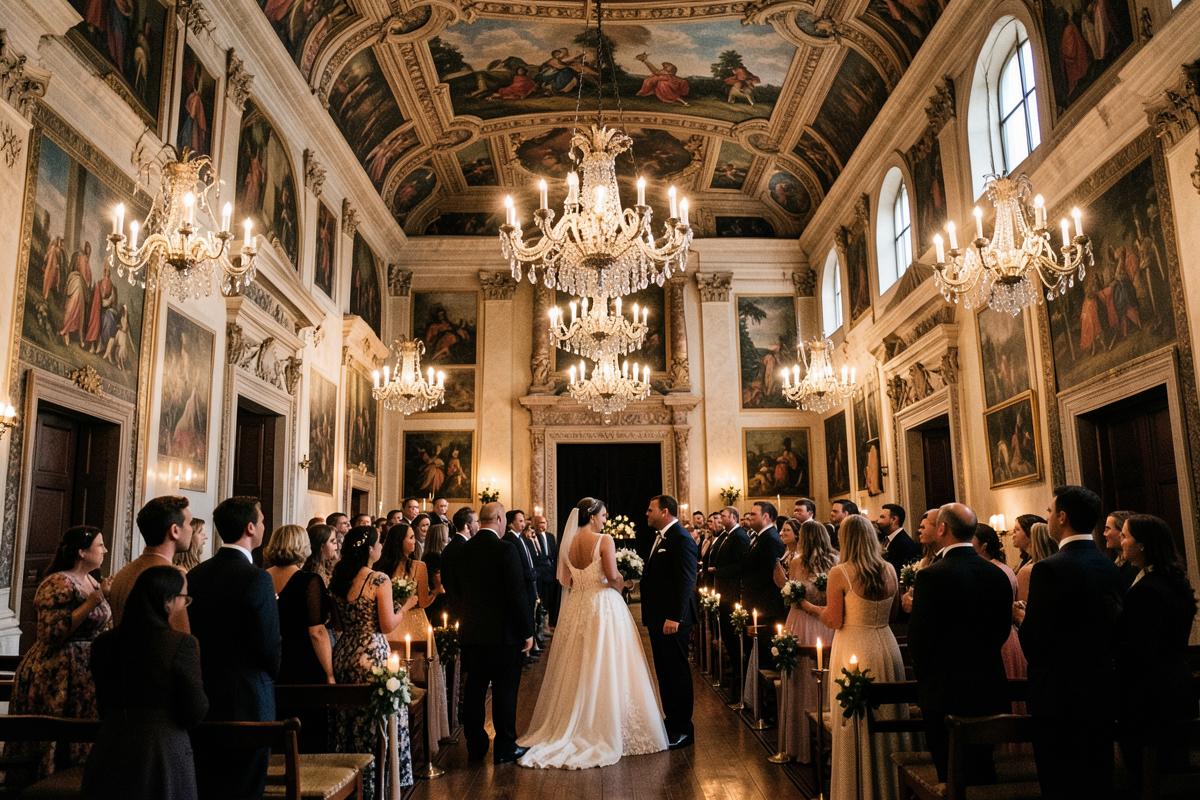
Civil wedding ceremony in a historic Hungarian hall

Getting married in Hungary as a foreigner

The documents, translations and the 30-day notice period — in the order you actually need to do them.

This is a practical planning guide, not legal advice. Rules differ slightly by district and by your nationality, and they change. Always confirm the final document list with the registrar of the district where you will marry, and with your own embassy in Budapest.

What you will be asked for

DocumentWhat to watch for
Valid passportsBoth partners. Bring the originals to every appointment; copies are not accepted at the registrar.
Full birth certificatesLong-form version showing parents' names. Usually needs an apostille and an official Hungarian translation.
Certificate of no impediment to marriageCalled a 'certificate of non-impediment', 'single status certificate' or CNI depending on your country. Issued by your home authority or embassy, and typically only valid for a limited period — order it close to the date, not a year ahead.
Proof of the end of any previous marriageFinal divorce decree or a death certificate, apostilled and translated.
Official Hungarian translationsForeign documents generally must be translated by a recognised translator; some districts require a certified translation from OFFI, Hungary's official translation office. Ask your registrar which they accept before you pay.
Apostille or legalisationCountries in the Hague Apostille Convention (UK, US, Ireland, Australia, most of Europe) attach an apostille. Others need consular legalisation, which takes longer.

The process, step by step

  1. 1

    Choose the district

    You marry through the registrar's office (polgármesteri hivatal) of the district where the ceremony takes place. Requirements and fees differ slightly between districts, so pick the venue first, then contact that district.

  2. 2

    Ask the registrar for their document list in writing

    This is the single most useful step. Get an email confirming exactly which documents, translations and certifications they want, and how recent the certificate of no impediment must be.

  3. 3

    Collect, apostille and translate

    Allow 6–10 weeks. Order certificates at home, get them apostilled, then translated into Hungarian. Do not translate before apostilling — the apostille itself may need translating too.

  4. 4

    File the declaration in person

    Both partners attend the registrar together to declare the intention to marry. If neither of you speaks Hungarian, an official interpreter is normally required — your planner arranges this.

  5. 5

    Wait out the 30-day notice period

    Hungarian law sets a waiting period of 30 days between filing and the wedding. It can be waived in limited circumstances, but plan around it rather than hoping.

  6. 6

    The ceremony

    A registrar conducts the civil ceremony, in Hungarian, with an interpreter, and two witnesses over 18 with photo ID. Ceremonies outside the registry office (a venue, garden or terrace) are often possible for an extra fee and need the district's approval.

  7. 7

    The certificate

    You receive a Hungarian marriage certificate. Ask for a multilingual standard EU form, or an apostilled copy, so it is accepted at home without further translation.

FAQ

Paperwork questions

How long do we need to be in Hungary before the wedding?

There is no residency requirement, but both partners must appear at the registrar in person to file the declaration, and there is normally a 30-day waiting period after that. Most couples make a short trip to file, then return for the wedding; some districts allow filing shortly after arrival if the paperwork is complete.

Can we have a religious or symbolic ceremony instead?

Yes. A church or symbolic ceremony can be held on its own or alongside the civil one, but in Hungary only the civil ceremony conducted by a registrar creates a legal marriage. Many couples marry legally at home and hold a symbolic ceremony in Hungary, which removes the paperwork entirely.

Do we need an interpreter?

If neither partner understands Hungarian, an official interpreter is normally required at both the filing appointment and the ceremony. Your venue or planner books one, and it is a modest cost.

How much do the formalities cost?

Budget a few hundred euros in total for translations, apostilles, an interpreter and the registrar's out-of-office fee — small compared with the rest of the wedding, but the timing matters more than the money.

Will the marriage be recognised in our country?

A civil marriage performed by a Hungarian registrar is a legal marriage and is generally recognised abroad, using a multilingual EU form or an apostilled certificate. Some countries also want the marriage registered locally afterwards, so check with your own authority before travelling.

Same-sex couples?

Hungary does not perform same-sex marriage. Registered partnership exists for same-sex couples, and symbolic ceremonies are held at private venues; the legal marriage would need to take place elsewhere.