
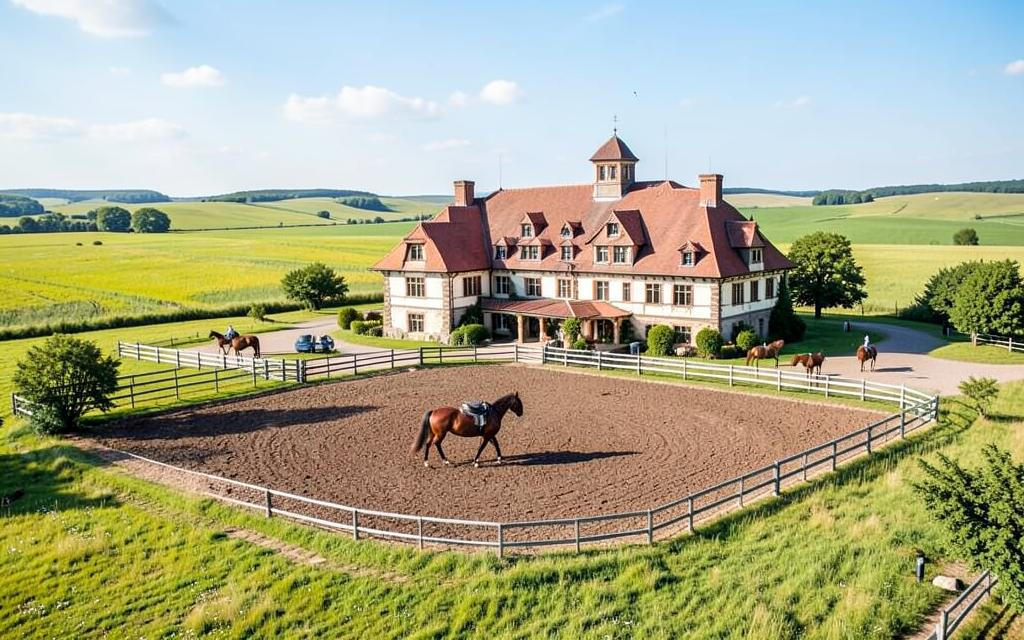
Manor hotel & riding centre
Gerébi Kúria
Lajosmizse · from ~€110 / night
The splurge: a countryside manor with horse shows, pool and dinner in the old stable barn.
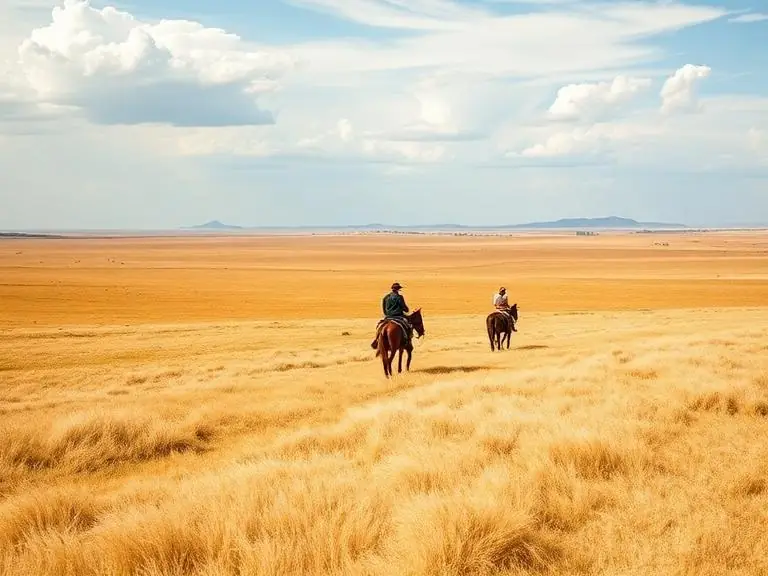
Hungary's wide-open steppe heartland
The Puszta — the Great Hungarian Plain — is the flat, treeless grassland that fills eastern Hungary between the Danube and the Romanian border. At its heart sits Hortobágy National Park, the country's largest national park and a UNESCO World Heritage cultural landscape protecting nine centuries of pastoral life. This guide covers the place itself: what the landscape is, the sights and traditions that define it (csikós horsemanship, grey cattle, the Nine-arch Bridge), the wildlife, and when the steppe is at its best. Planning to drive out from Budapest? See our 2-day Puszta road-trip route →
UNESCO-listed steppe — Hungary's largest protected area.
Hungary's longest stone bridge (1833), the Puszta's defining landmark.
Traditional five-in-hand riding demonstrations at Mátai Ménes.
One of the world's heaviest flying birds — Kiskunság population is Europe's largest.
Ancient Hungarian breeds grazing the open plain.
One of Hungary's oldest roadside inns, established 1699.
Up to 100,000 cranes gather here each September–October.
Officially designated International Dark Sky Park.
April to June for wildflowers and breeding birds. September to mid-October for the spectacular common crane migration. Avoid July–August — temperatures often exceed 35°C with little shade and many demonstrations close.
A short, honest shortlist instead of a thousand search results: one splurge, a few independent mid-range favourites and a good-value budget option.
Lajosmizse · from ~€110 / night
The splurge: a countryside manor with horse shows, pool and dinner in the old stable barn.
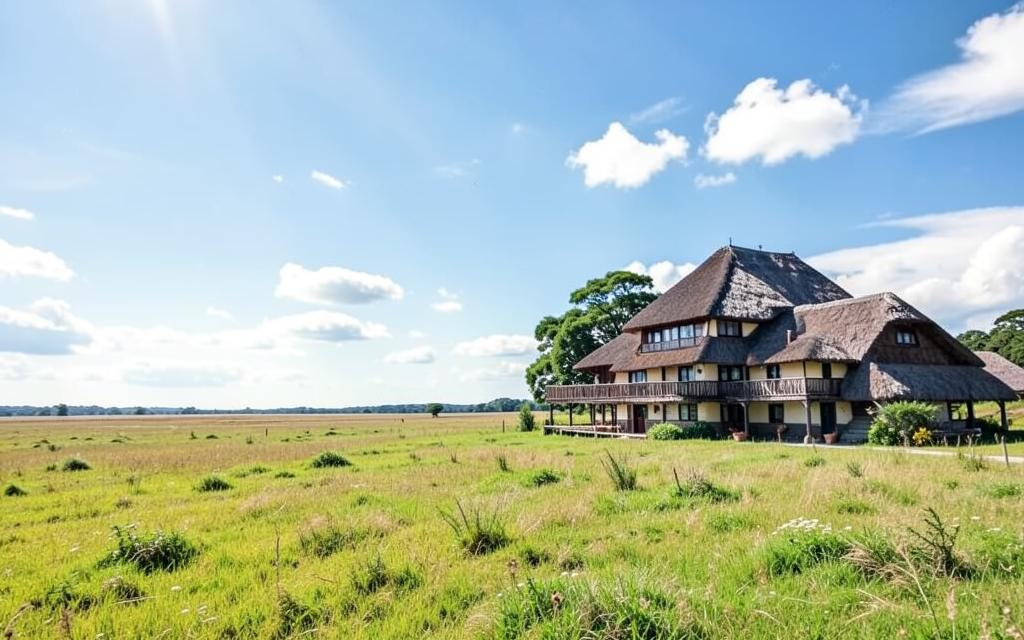
Lajosmizse · from ~€60 / night
Old puszta inn known for its kitchen — csikós show outside, goulash inside.
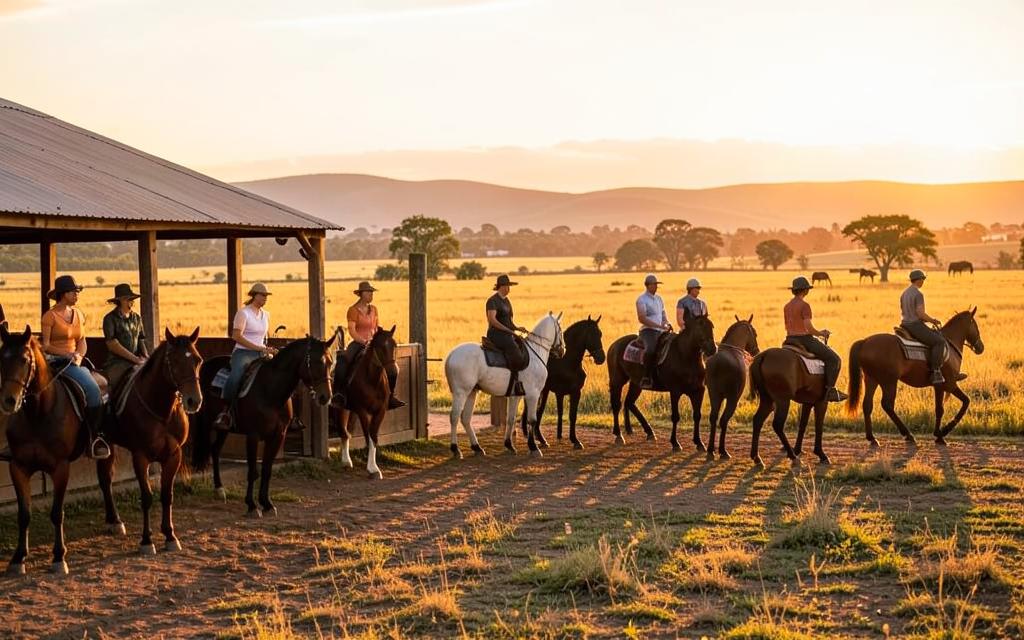
Hortobágy · from ~€40 / night
Budget pick: simple village rooms run by local guides, dark skies at night and the park on your doorstep.
Some links are affiliate links — we may earn a small commission at no extra cost to you. Prices are shoulder-season estimates for a double room and change with dates. Card images are illustrative regional photography, not photos of the individual property.
Autumn colours and thermal-bath weather — quieter and cheaper than summer. Compare hotels, guesthouses and apartments — best price guaranteed.
Search The Puszta hotels →Powered by Booking.com — prices are estimates and change seasonally.
The Great Hungarian Plain — a vast flat grassland steppe in eastern Hungary, much of it protected as UNESCO-listed Hortobágy National Park.
For travellers interested in nature, traditional culture, birdwatching or dark skies — yes, it's one of Europe's most distinctive landscapes. Visitors looking for cities or scenery should focus elsewhere.
April–June for wildflowers and birdlife; September for the crane migration. Avoid the July–August heat.
Yes — daily equestrian shows run at Mátai Ménes and several other farms near Hortobágy village from April to October.
It's the polar opposite — flat, open, sparsely populated and wildlife-focused, rather than river, hills or lake resort.