Bath Capital of Europe

Thermal Baths in Hungary

Hungary sits on one of Europe's most geothermally active zones — over 1,000 natural thermal springs bubble up across the country, more than 100 of them in Budapest alone. The Romans bathed here. The Ottomans built domed bathhouses on the same spots in the 16th century, and many of those exact buildings are still in use today. Bathing in Hungary isn't a tourist attraction layered on top of the city — it's a 2,000-year-old daily habit you're invited to join.

This guide covers Budapest's five most worthwhile baths in detail, with prices, hours and what each one is actually like to visit — plus the practical etiquette, booking tips and seasonal advice that turn a confusing first visit into a genuinely restorative afternoon.

Plan Your Trip

Book a Thermal Bath Experience

Skip the queues — browse and book Budapest's best thermal bath tickets and spa packages in advance, powered by GetYourGuide.

The Big Five

Budapest's Top Thermal Baths

Budapest has more than a dozen working thermal baths. These five cover the full range — from the grandest Belle Époque palace to the quietest 450-year-old Ottoman hammam.

Széchenyi thermal bath, Budapest

Széchenyi

XIV District · City Park
From €22

Hours: Daily 6:00 – 22:00

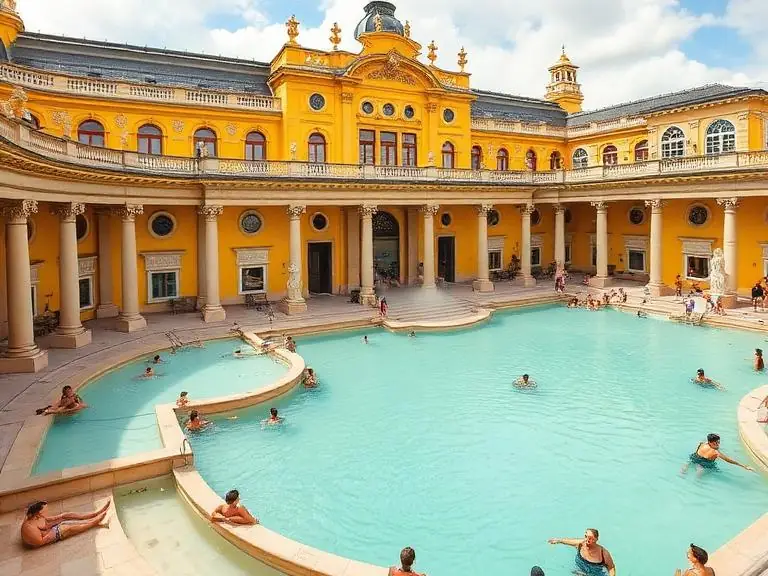
The grandest bath in Budapest and the largest medicinal bath in Europe. Neo-Baroque palace with 3 outdoor pools (open year-round) and 15 indoor pools fed by two deep thermal wells at 74–77°C. The famous Saturday-night 'Sparty' spa parties run weekly with DJs, lights and prosecco bars. Best for: first-timers, families, that iconic steaming-outdoor-pool photo.

szechenyibath.com
Gellért thermal bath, Budapest

Gellért

XI District · Buda foot of Gellért Hill
From €23

Hours: Daily 6:00 – 20:00

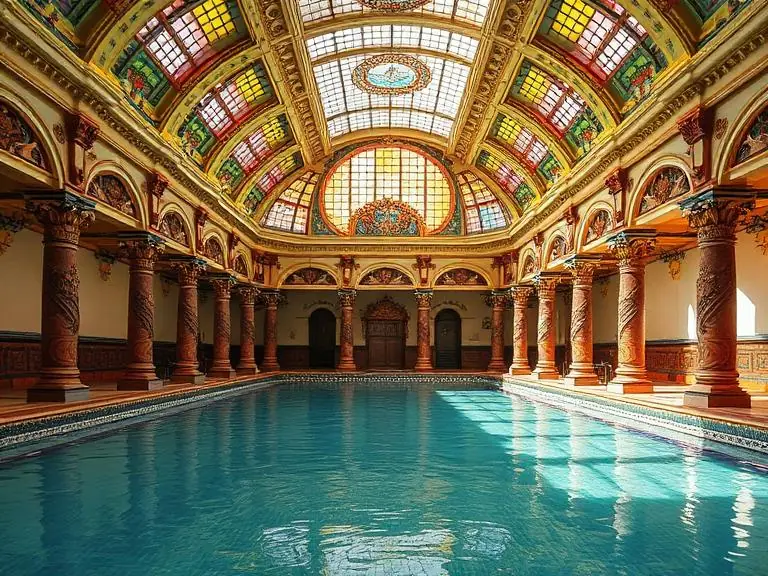
Art Nouveau masterpiece inside the Hotel Gellért — the most beautiful interior of any Budapest bath, with Zsolnay porcelain mosaics, stained glass and a glass-roofed main hall. Outdoor wave pool runs May to September. Best for: design lovers, romantic visits, anyone who wants the photogenic Hungary postcard.

gellertfurdo.hu
Rudas thermal bath, Budapest

Rudas

I District · Buda riverside
From €18

Hours: Daily 6:00 – 20:00 · 22:00–04:00 (Fri & Sat night)

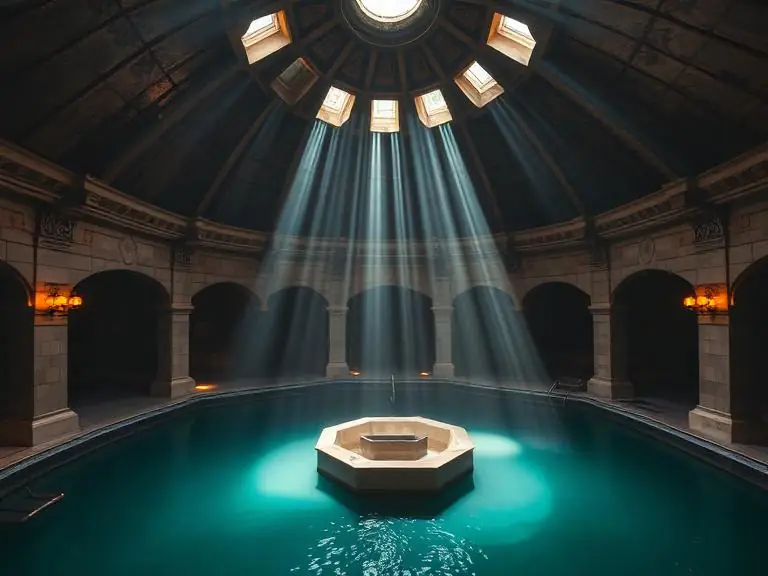
The most authentically Ottoman bath in the city. Original 16th-century octagonal domed pool intact, with shafts of coloured light through pierced stonework. The rooftop hot tub looks out across the Danube to Pest. Single-sex days for the historic Turkish section midweek; mixed at weekends. Best for: history buffs, purists, the rooftop sunset photo.

rudasfurdo.hu
Lukács thermal bath, Budapest

Lukács

II District · Buda
From €15

Hours: Daily 7:00 – 19:00

The locals' bath. A quieter, more medicinal-feeling complex used by Budapest residents for decades — marble plaques around the courtyard thank the waters for curing everything from rheumatism to back pain. Outdoor pools, indoor thermal pools and a small wellness area. Best for: a low-key visit without crowds and a glimpse of how Budapesters actually use their baths.

lukacsfurdo.hu
Veli Bej thermal bath, Budapest

Veli Bej

II District · inside the Irgalmasrend hospital
From €14

Hours: Daily 6:00 – 12:00 and 15:00 – 21:00 (3-hour ticket)

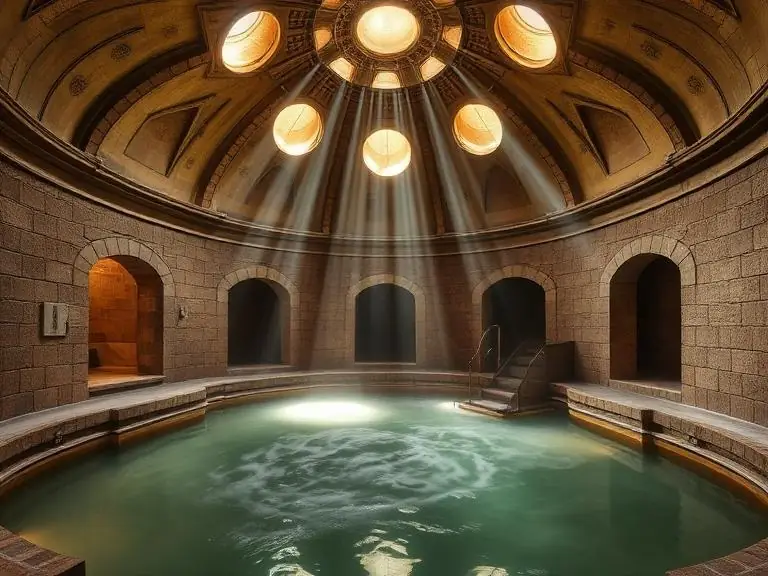
Built in 1574 by Ottoman pasha Veli Bej and beautifully restored in 2012 — arguably the most atmospheric Turkish bath in the city, and the least known to tourists. Five thermal pools of different temperatures arranged around a central domed hall. Strict 3-hour time limit per ticket keeps it calm. Best for: travellers who want the Ottoman experience without the Rudas crowds.

irgalmasrend.hu
Plan Your Visit

Practical Info & Insider Tips

Prices

Day tickets range from roughly €14 (Veli Bej, Lukács) to €23 (Gellért), with lockers included. Cabins cost a few euros more. Weekend prices are higher at Széchenyi and Gellért — visit on weekdays to save and avoid queues.

Opening hours

Most baths open 6am and close between 8pm and 10pm. Rudas runs late-night sessions on Friday and Saturday until 4am. Veli Bej splits the day into morning and afternoon 3-hour blocks. Last entry is usually one hour before closing.

What to bring

Swimsuit (mandatory in mixed sections), flip-flops and a towel. Everything is rentable on site if you forget. A waterproof phone pouch is the most-thanked tip from regular visitors.

Booking

Book Széchenyi and Gellért online to skip the cash-desk queue, especially on weekends. Rudas, Lukács and Veli Bej are usually fine to walk into on weekdays.

Etiquette

Shower before entering pools. Speak quietly inside the historic Ottoman halls. Don't photograph other bathers — staff will ask you to put the phone away. Tipping the masseuse 10–15% is standard.

When to go

Winter mornings are magical — outdoor pools steam dramatically at 38°C while snow falls. Summer evenings are best for the rooftop at Rudas. Avoid Saturday afternoons unless you enjoy crowds.

Book a Bath Experience

Skip-the-Line Tickets & Tours

Reserve entry, spa packages and guided bath tours through our Viator partner.

FAQ

Thermal Baths FAQ

Which Budapest thermal bath is best for first-timers?

Széchenyi — the grandest and easiest to navigate, with three outdoor pools and fifteen indoor ones in a Neo-Baroque palace in City Park.

Are the thermal baths open year-round?

Yes. Winter is arguably the most magical time — the outdoor pools steam dramatically at 38°C while snow falls around you.

Do I need to book in advance?

Book Széchenyi and Gellért online to skip queues, especially on weekends. Rudas, Lukács and Veli Bej are usually fine to walk into on weekdays.

What should I bring to a Hungarian thermal bath?

Swimsuit (mandatory in mixed sections), towel and flip-flops — or rent them on site. Lockers are included in the entry fee. A waterproof phone pouch is the most useful extra.

How much does entry cost?

Roughly €14 at Veli Bej and Lukács, up to €23 at Gellért for a standard weekend day ticket including locker use. Weekday tickets are cheaper.

Are the baths suitable for children?

Széchenyi and Hajdúszoboszló are family-friendly with shallow pools. The historic Ottoman baths (Rudas, Veli Bej, Király) are quieter and better suited to adults.

What's the difference between a thermal bath and a spa?

Hungarian thermal baths are fed by natural hot mineral springs and treated as medicinal. A spa may use heated tap water. All five baths in this guide are genuine thermal baths.