Luxury hotel
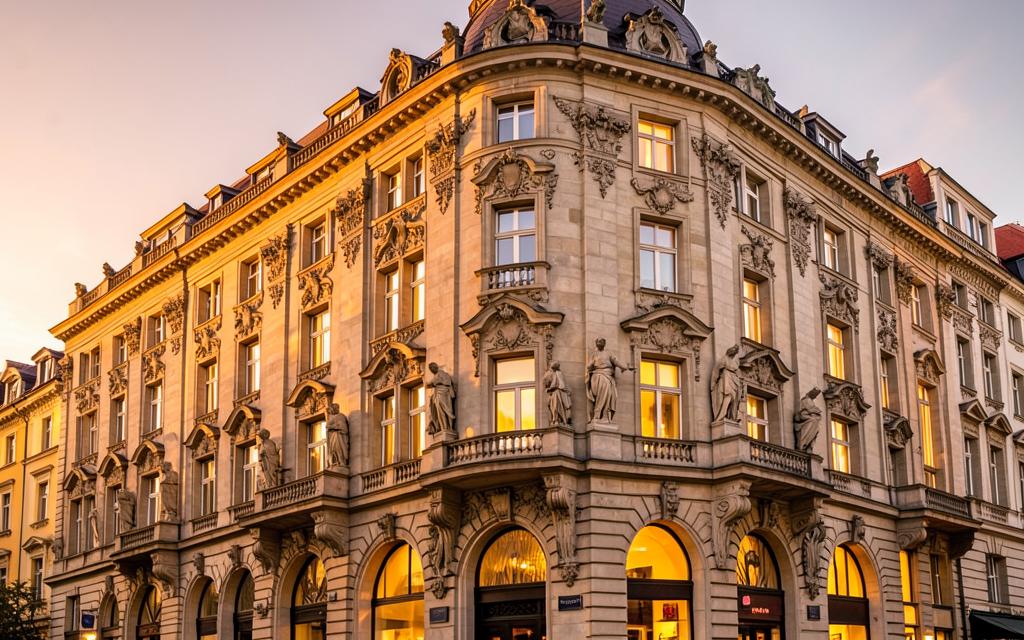
Aria Hotel Budapest
District V, by St Stephen's Basilica · from ~€350 / night
The splurge: music-themed five-star with one of the best rooftop bars in the city, steps from the Basilica.
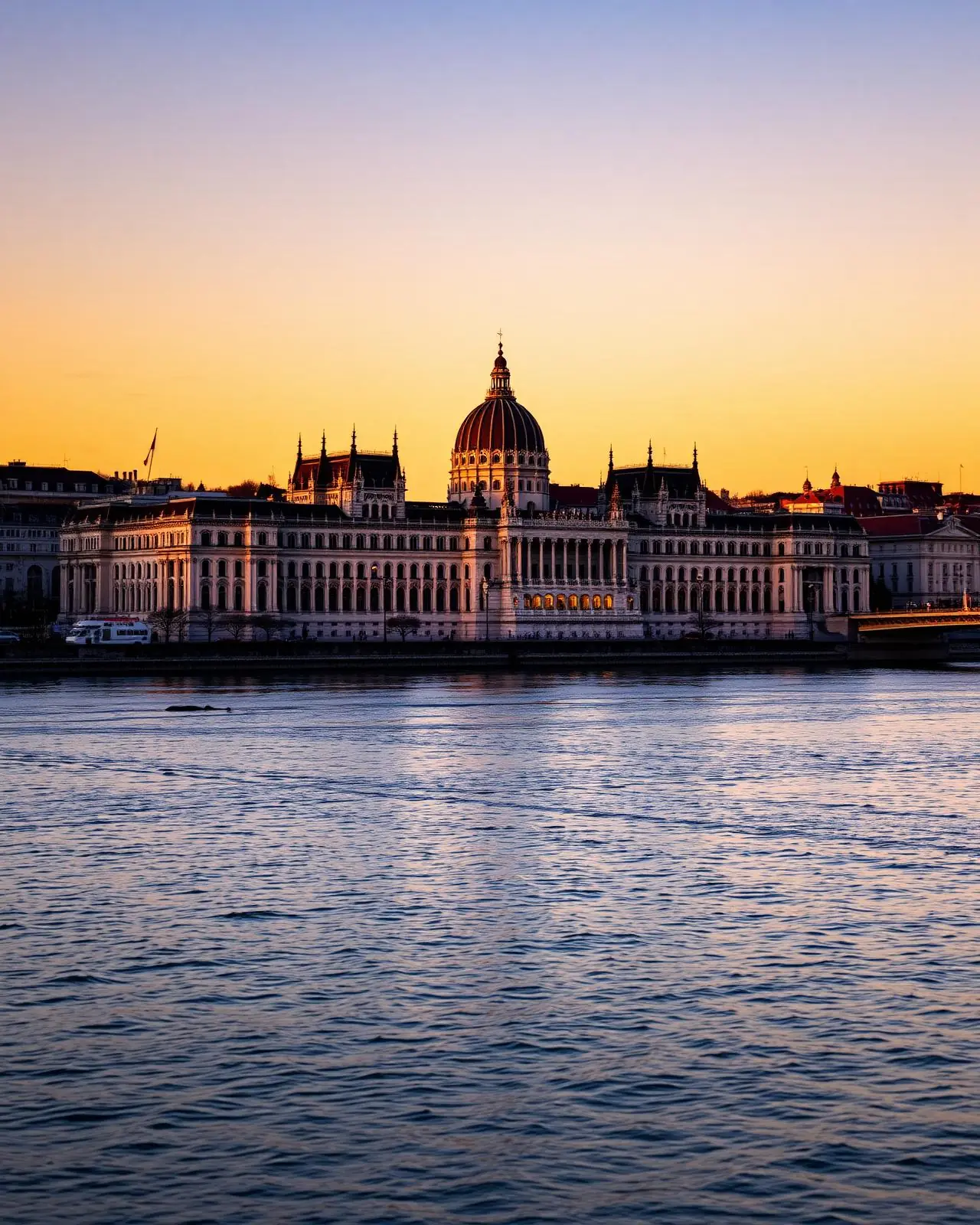
The Pearl of the Danube
Budapest is two cities in one — hilly, royal Buda on the west bank and flat, café-lined Pest on the east, joined by the Danube and a string of iconic bridges. It is one of Europe's great thermal-spa capitals, with more than a hundred hot springs feeding grand Ottoman and Belle Époque bath houses. By day, dive into the city's food and wine scene — paprika-rich classics, central market stalls and natural-wine bars. By night the Jewish Quarter's ruin bars take over, set in crumbling courtyards reborn as some of the most atmospheric drinking dens in Europe. Arriving early or leaving late? Drop bags at one of our recommended luggage storage spots in Budapest and make the most of every hour.
Neo-Gothic riverside masterpiece — book a tour.
Hilltop views over the Danube and Pest.
Soak in 38°C thermal water under turn-of-the-century domes.
Drink in derelict courtyards in the Jewish Quarter.
Climb the dome for a 360° city panorama.
One of the world's most scenic tram rides.
World-class music in gilded halls.
Paprika, lángos and salami under stained glass.
April–June and September–October for mild weather and fewer crowds. December for Christmas markets at Vörösmarty Square.
A short, honest shortlist instead of a thousand search results: one splurge, a few independent mid-range favourites and a good-value budget option.
District V, by St Stephen's Basilica · from ~€350 / night
The splurge: music-themed five-star with one of the best rooftop bars in the city, steps from the Basilica.
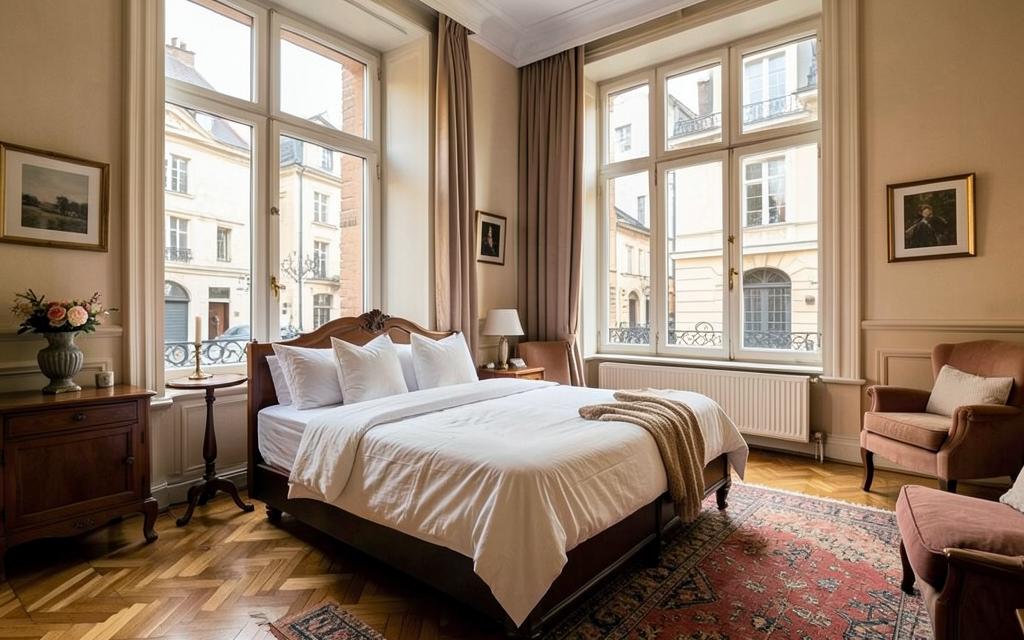
District V, Gerlóczy utca · from ~€110 / night
Nineteen rooms above a much-loved Parisian-style bistro — central, quiet and personally run.
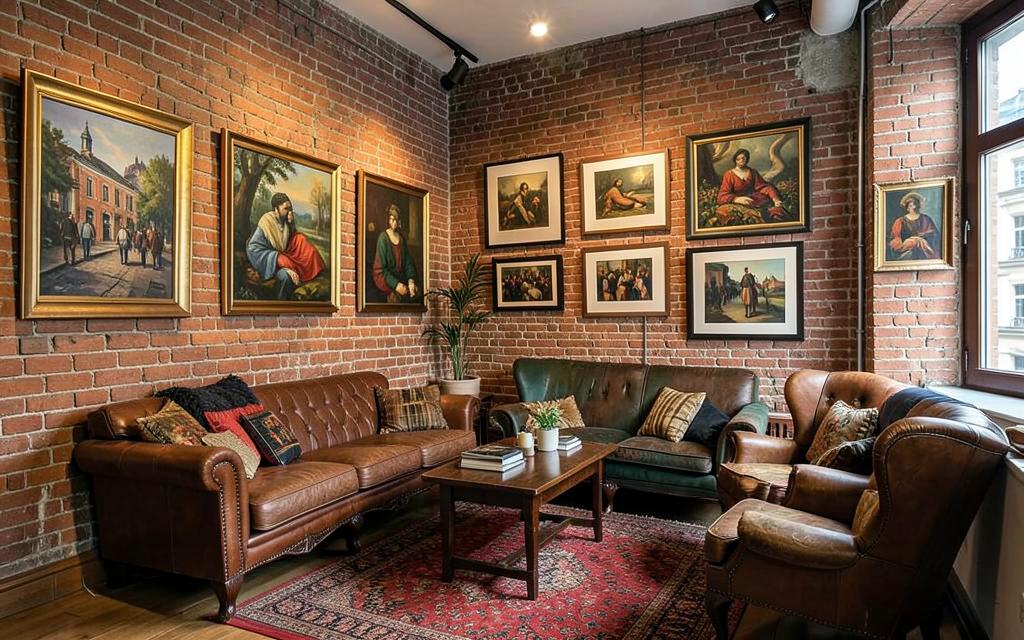
Palace Quarter, District VIII · from ~€100 / night
Every room decorated by a different artist in a faded heritage mansion — nothing else in Budapest feels like it.
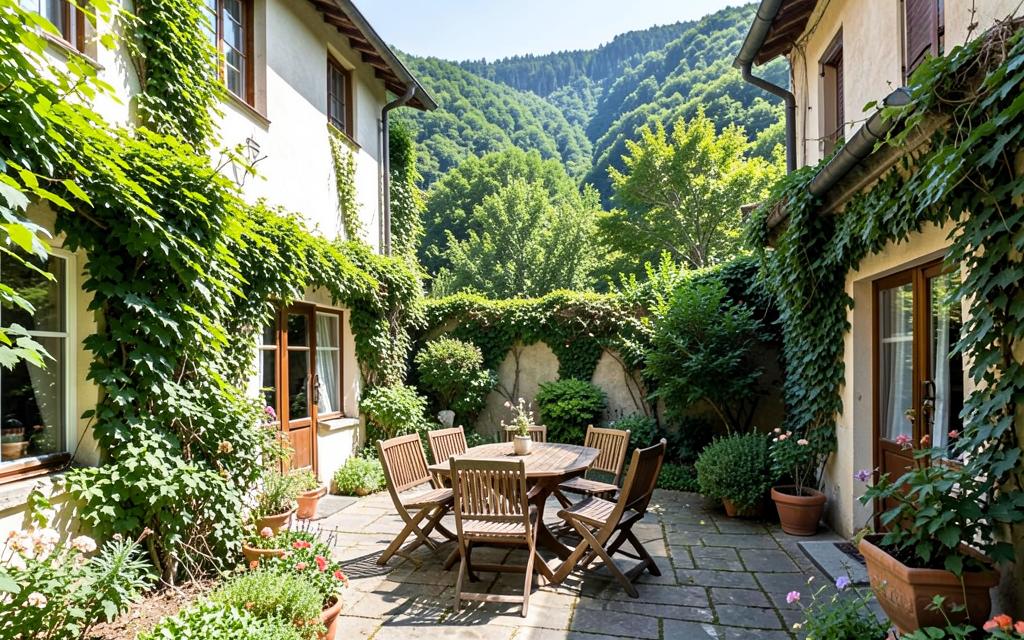
Buda hills, District XII · from ~€150 / night
A walled garden villa with its own bakery and bistro — the calm option, ten minutes from downtown.
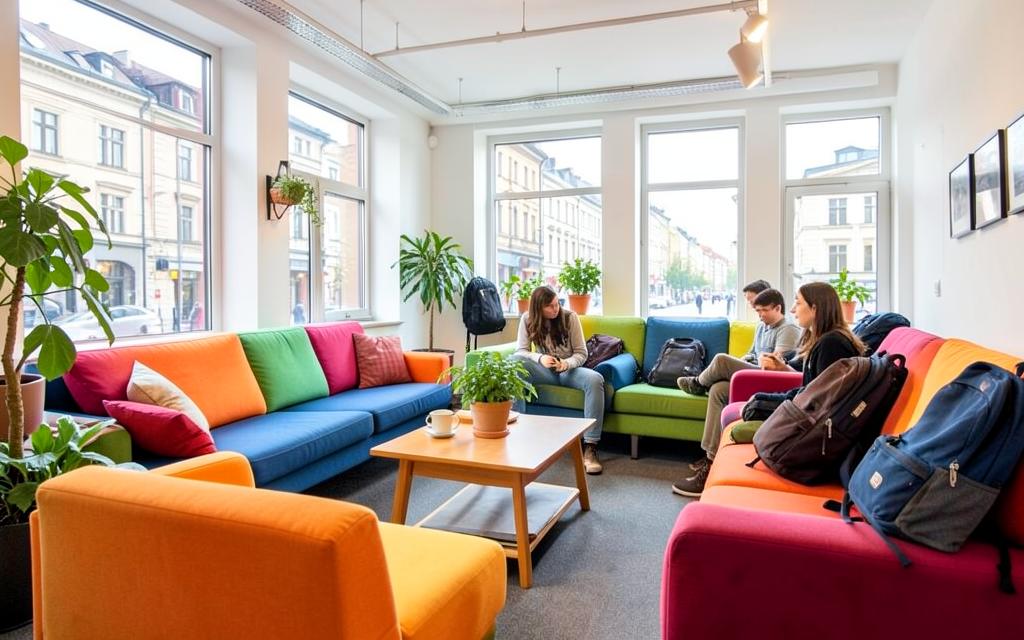
District VII, downtown · from ~€30 / bed
Budget pick: a design-led hostel inside a Habsburg-era mansion, with private doubles if you want your own space.
Some links are affiliate links — we may earn a small commission at no extra cost to you. Prices are shoulder-season estimates for a double room and change with dates. Card images are illustrative regional photography, not photos of the individual property.
Browse and book tours, thermal baths, river cruises and experiences — powered by GetYourGuide.
Skip the group crowds. A private local guide shows you both hilly Buda and flat Pest at your own pace - 100% private, fully customisable, no strangers.
Handpicked tours, cruises and experiences — book instantly with free cancellation on most activities.
Budapest has one of Central Europe's best public transport networks — metro, trams, buses and night services cover the whole city. A single validated ticket covers any one journey.
4 lines (M1–M4). M1 runs beneath Andrássy út and is UNESCO-listed. M2 and M3 cross the city east–west and north–south. Runs approx 04:30–23:00.
Lines 2 and 19 run along the Danube embankment and are among the most scenic tram rides in Europe. Line 4–6 is the main cross-city tram.
Buy single tickets, 24hr, 72hr or 7-day passes. The BudapestGO app lets you buy and validate digital tickets on your phone — no paper needed. Validate before boarding.
Includes unlimited public transport plus free or discounted entry to 30+ museums and attractions. Available for 24, 48 or 72 hours. Good value if you plan to visit several museums.
Skip ticket queues — browse Budapest city cards, hop-on hop-off passes and guided tours through GetYourGuide.
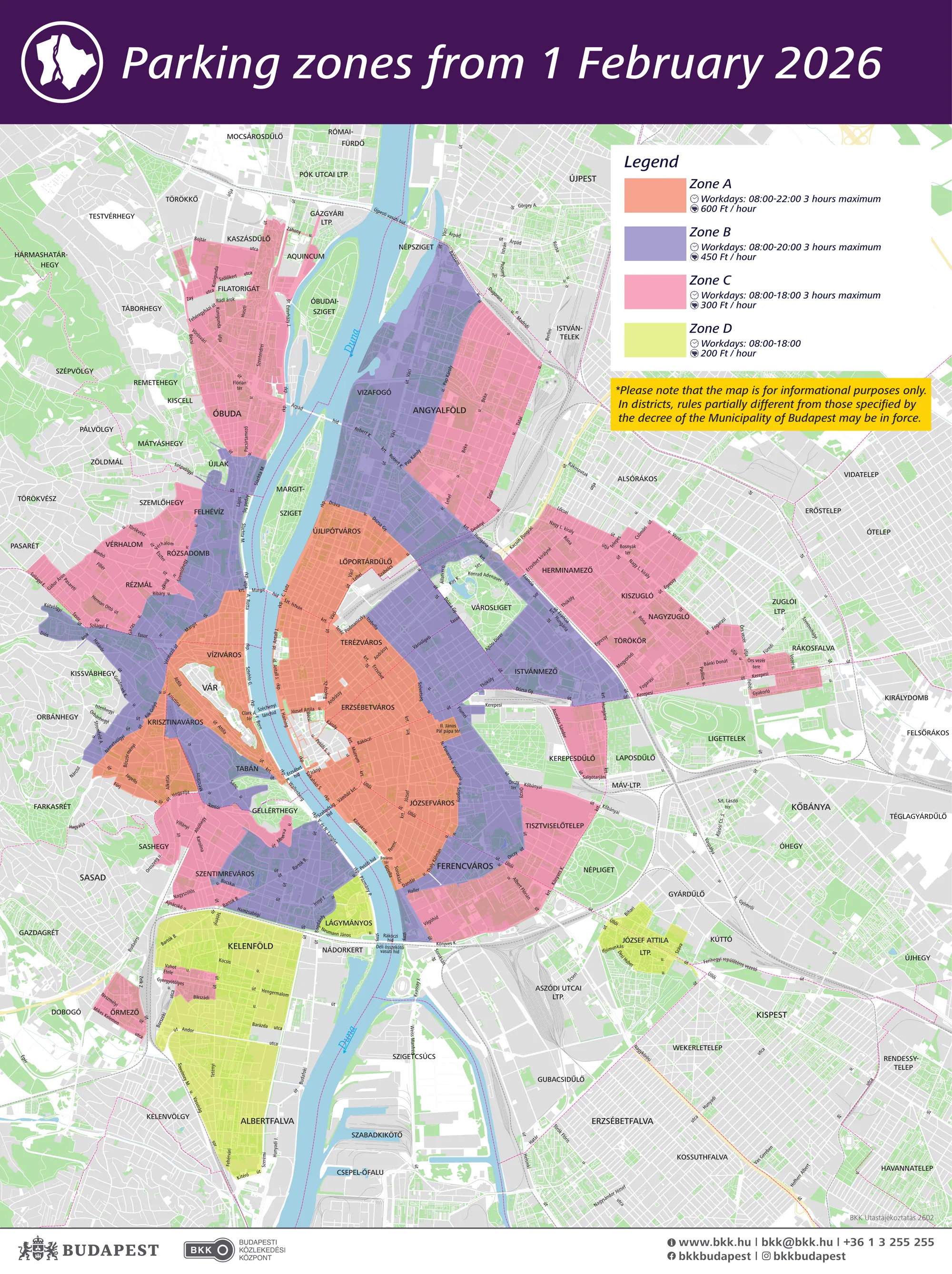
Browse Budapest Passes →Budapest uses colour-coded paid parking zones across the city. Here's exactly what you pay, where, and the smart ways to avoid it.
Central core · max 3 hrs · paid 08:00–22:00 weekdays
Inner districts · max 3 hrs · 08:00–20:00 weekdays
Mid-ring districts · max 3 hrs · 08:00–18:00 weekdays
Outer districts · 08:00–18:00 weekdays
~3,800 spaces near metro and tram hubs on the city outskirts — as cheap as 400 HUF/day. Best option for full-day sightseeing.
Coins or contactless card. Print the ticket and put it on your dashboard.
Best option for tourists — works in English, no language barrier, extend remotely.
Send your plate to the zone number. Requires a Hungarian SIM.
Driving into Budapest? Park at a metro terminus and take the metro in — faster, cheaper, no stress. A single metro ticket costs 450 HUF.
Also looking for luggage storage? See our complete Budapest Luggage Storage Guide →
Compare hundreds of car rental companies at Budapest Airport — no hidden costs, free cancellation, best price guaranteed.
Autumn colours and thermal-bath weather — quieter and cheaper than summer. Compare hotels, guesthouses and apartments — best price guaranteed.
Search Budapest hotels →Powered by Booking.com — prices are estimates and change seasonally.
Spring (April–May) and autumn (September–October) offer the best weather with fewer crowds.
3–4 days covers the highlights comfortably; 5–7 days lets you explore deeper, including day trips.
Yes, Budapest is one of the safest capitals in Europe. Normal city precautions apply.
Hungarian Forint (HUF). Most places accept cards, but carry some cash for markets and smaller establishments.
Yes — English is widely spoken in tourist areas, restaurants, hotels and among younger Hungarians.