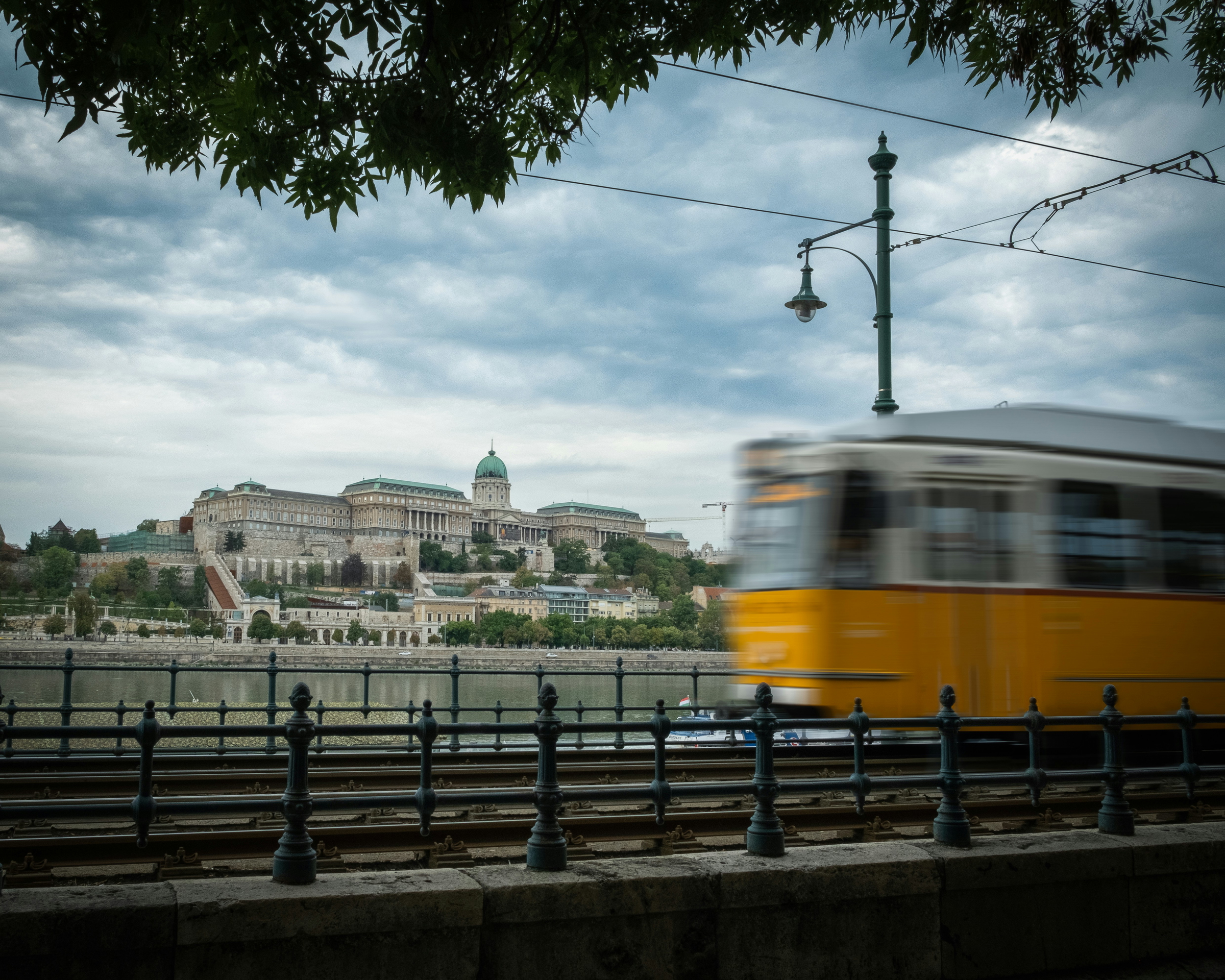


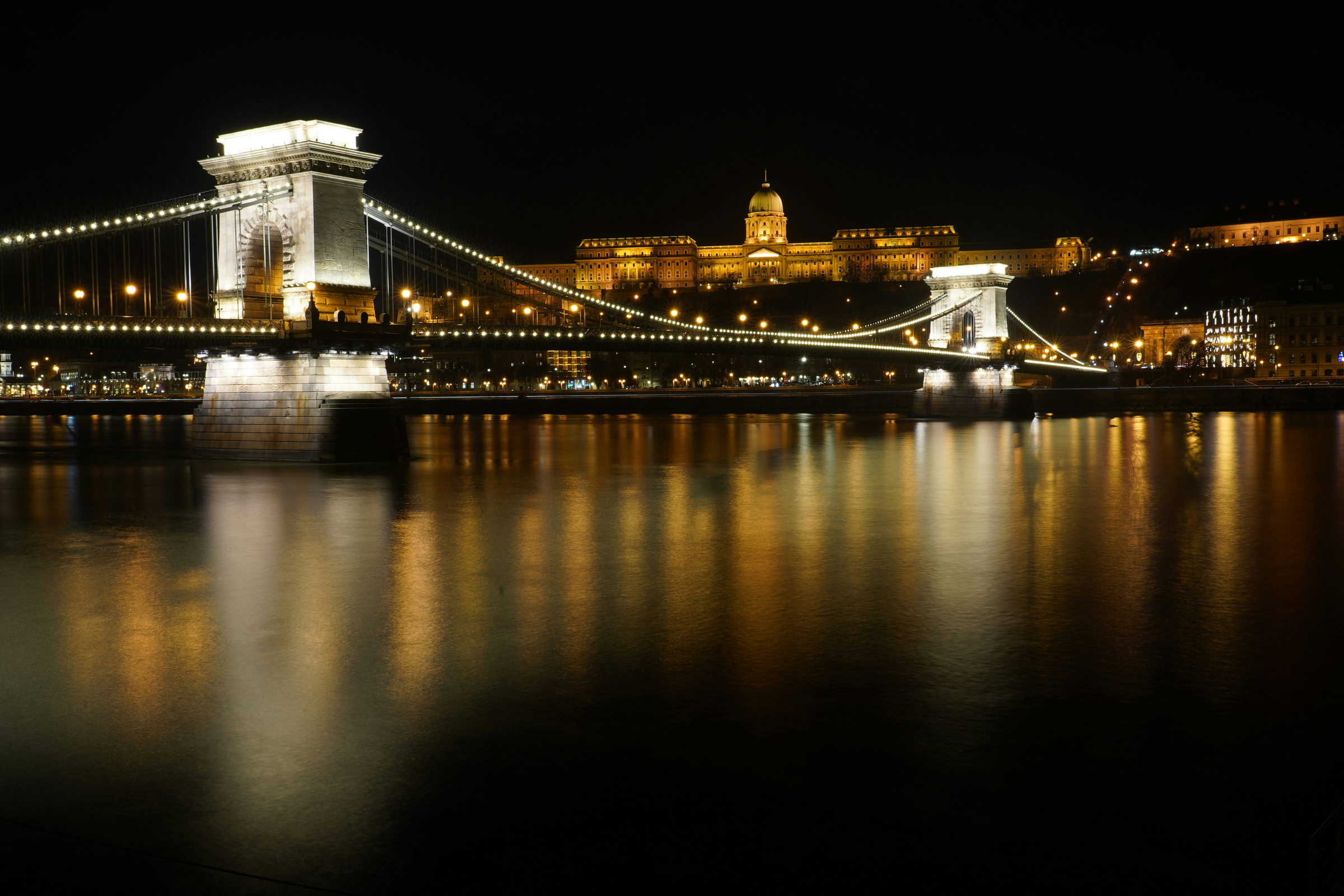
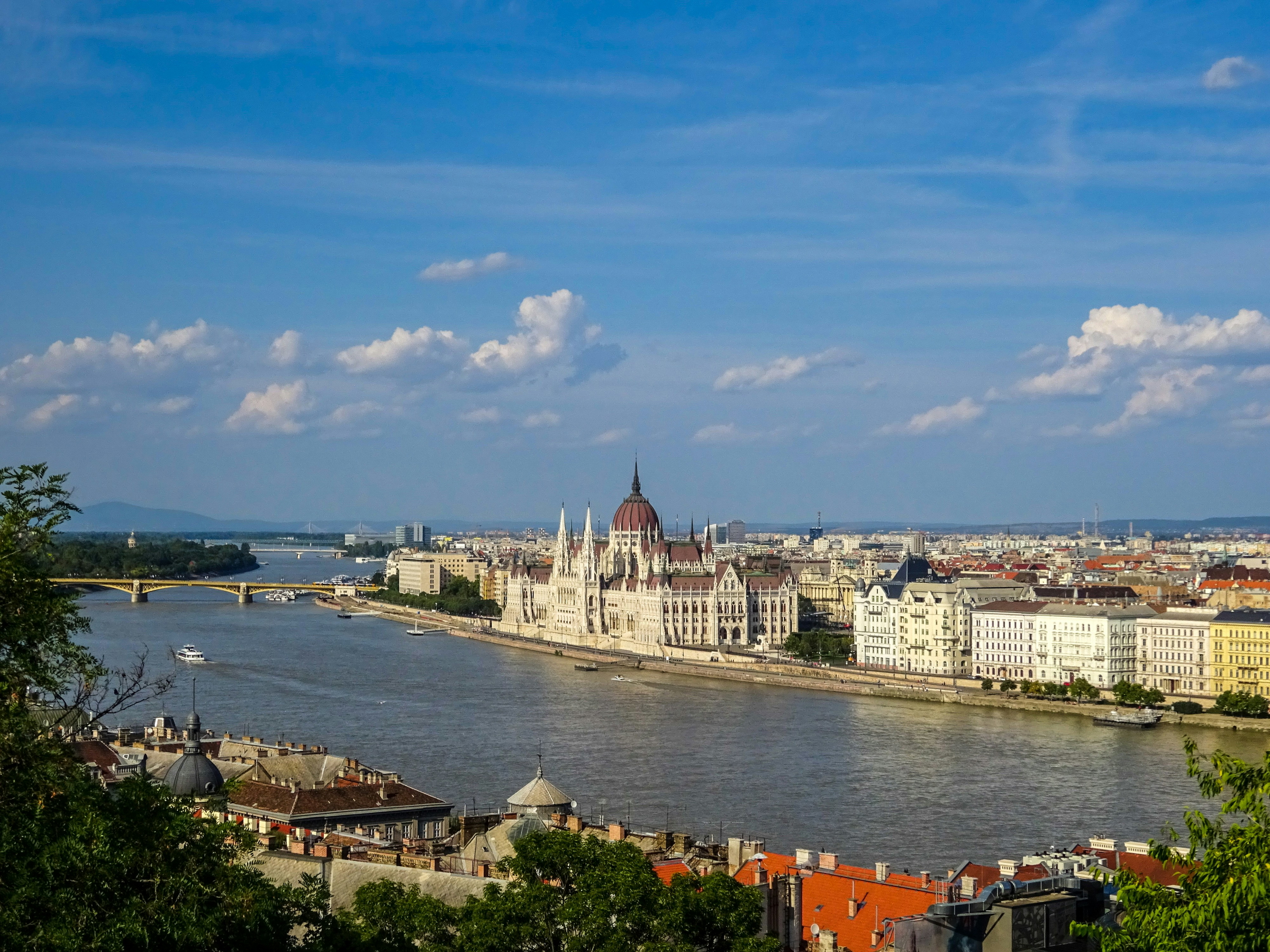
Budapest captivates visitors with its dramatic setting astride the Danube, dividing the city into two distinct personalities. On the west bank sits Buda—hilly, residential, crowned by a medieval castle district. On the east stretches Pest—flat, bustling, home to grand boulevards and the iconic Parliament Building.
Formed in 1873 through the union of three cities, Budapest has evolved into Central Europe's most romantic capital. Eight UNESCO World Heritage Sites, 123 thermal springs, and a thriving cultural scene make it essential for any European itinerary.
Spring (March-May) • 10-20°C
Parks bloom, outdoor cafés open. Perfect for sightseeing without crowds. Cherry blossoms in City Park. Book thermal baths for cooler evenings.
Summer (June-August) • 25-30°C
Festival season peaks. Rooftop bars, river cruises, outdoor concerts. Longer days, tourist crowds. River beaches open on Margaret Island.
Autumn (September-November) • 10-18°C
Golden foliage, wine harvest season. Cultural calendar intensifies. Ideal temperatures for walking tours.
Winter (December-February) • -2 to 5°C
Christmas markets transform squares. Thermal baths essential—steam rising from outdoor pools creates magic.
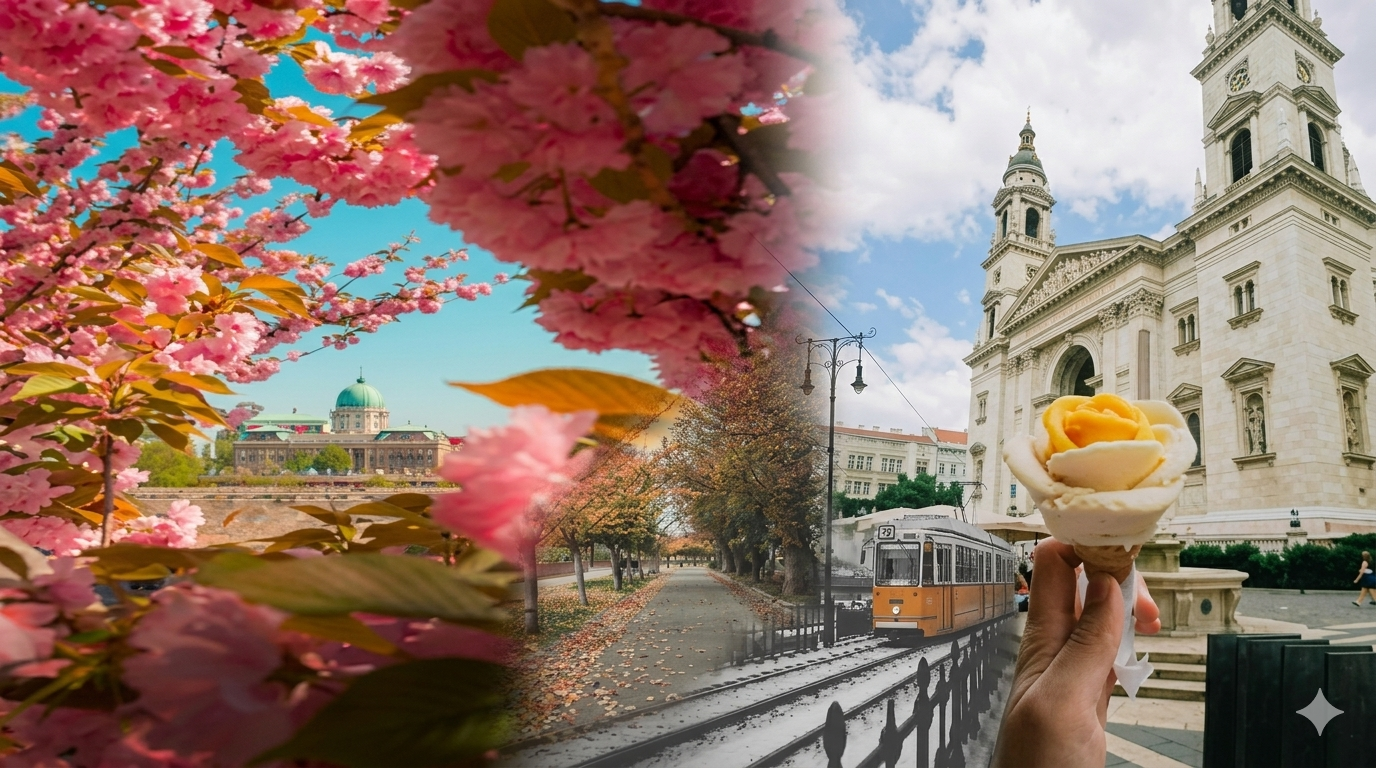
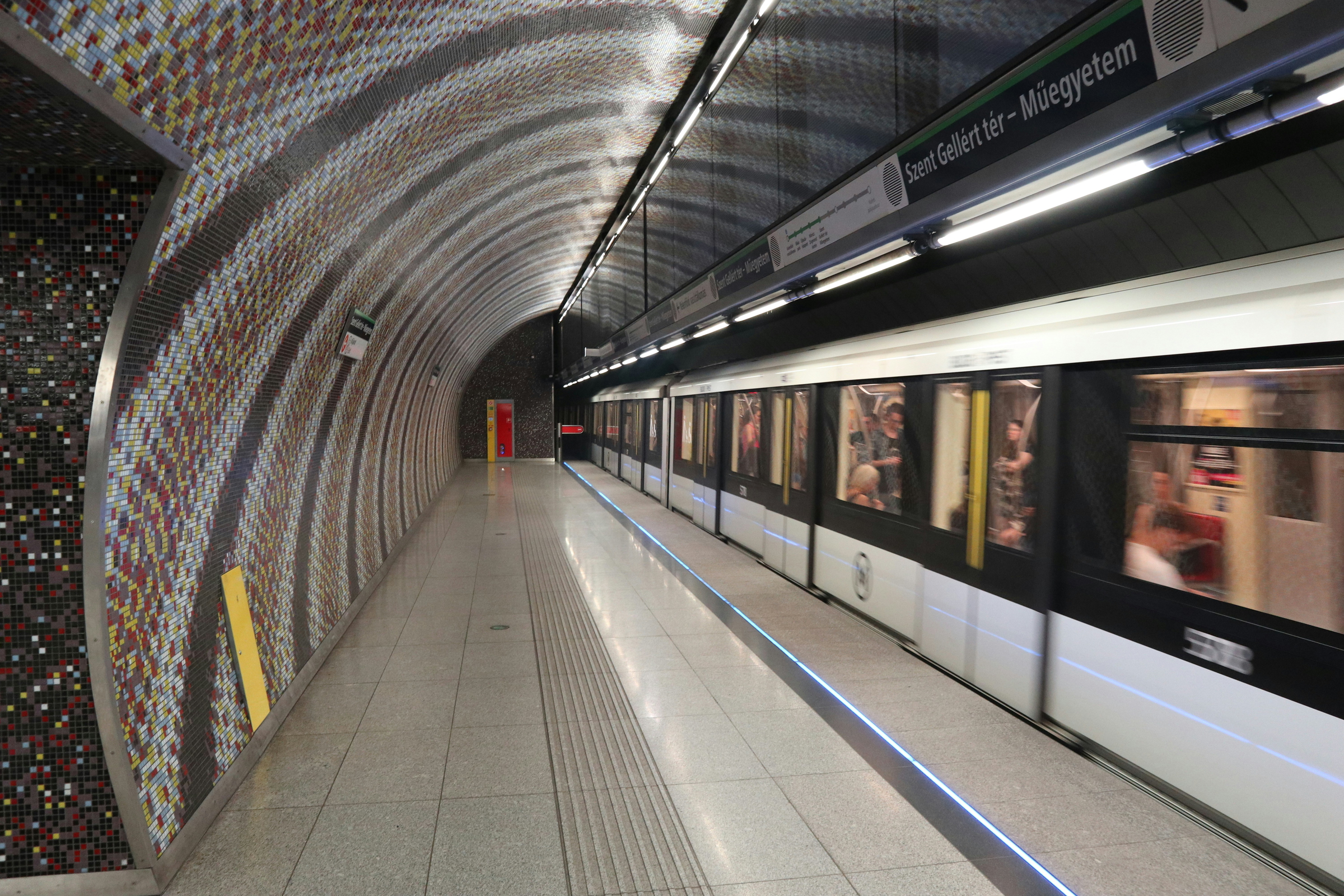
Metro, tram, and bus network ranks among Europe's best. The M1 yellow metro line (UNESCO heritage, built 1896) connects downtown to City Park. Tram 2 along the Danube offers the city's most scenic commute.
Tickets: Single €1.50 | Day pass €6 | 3-day €16
Budapest Card: Transport + museums from €26/24h